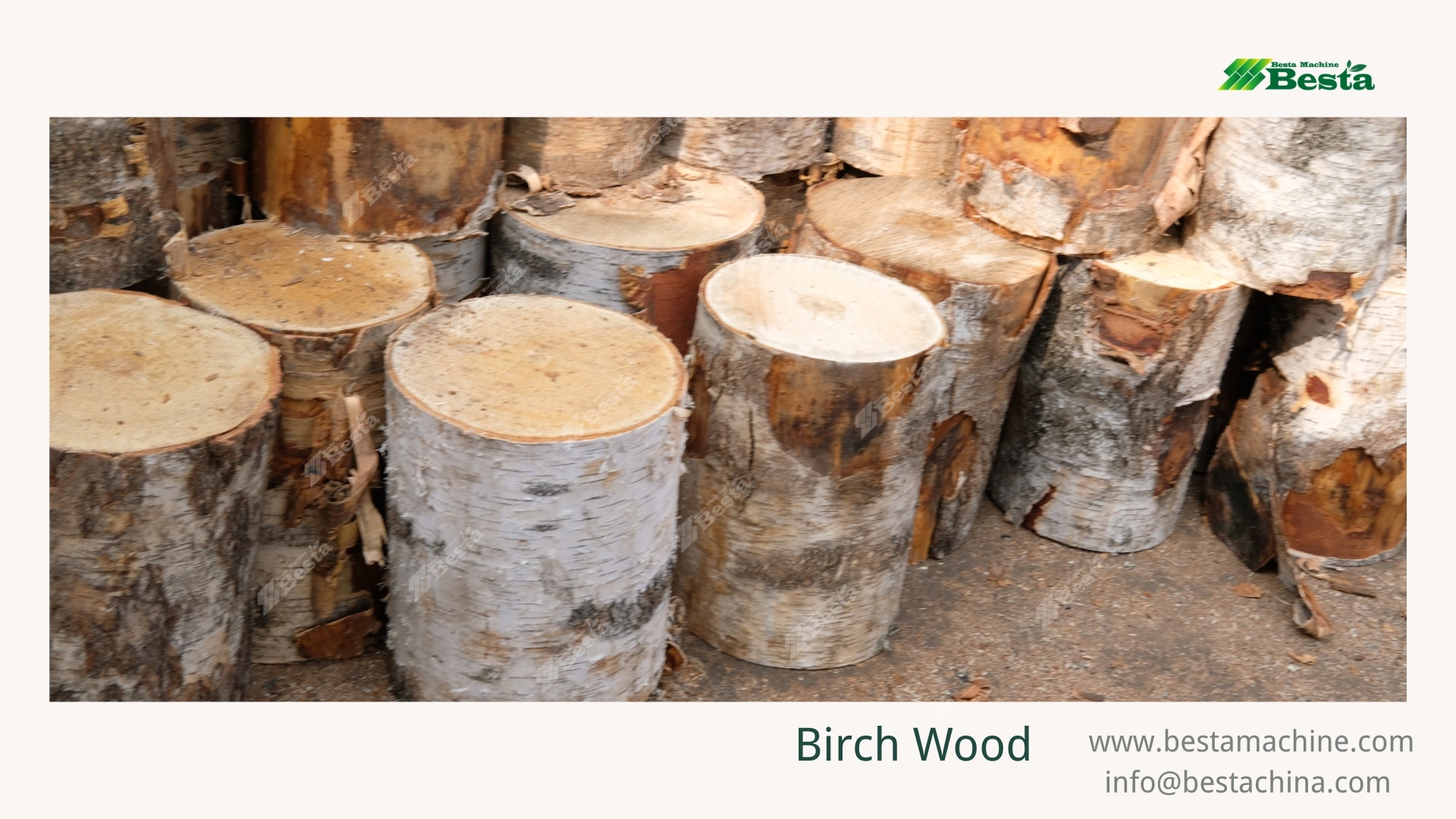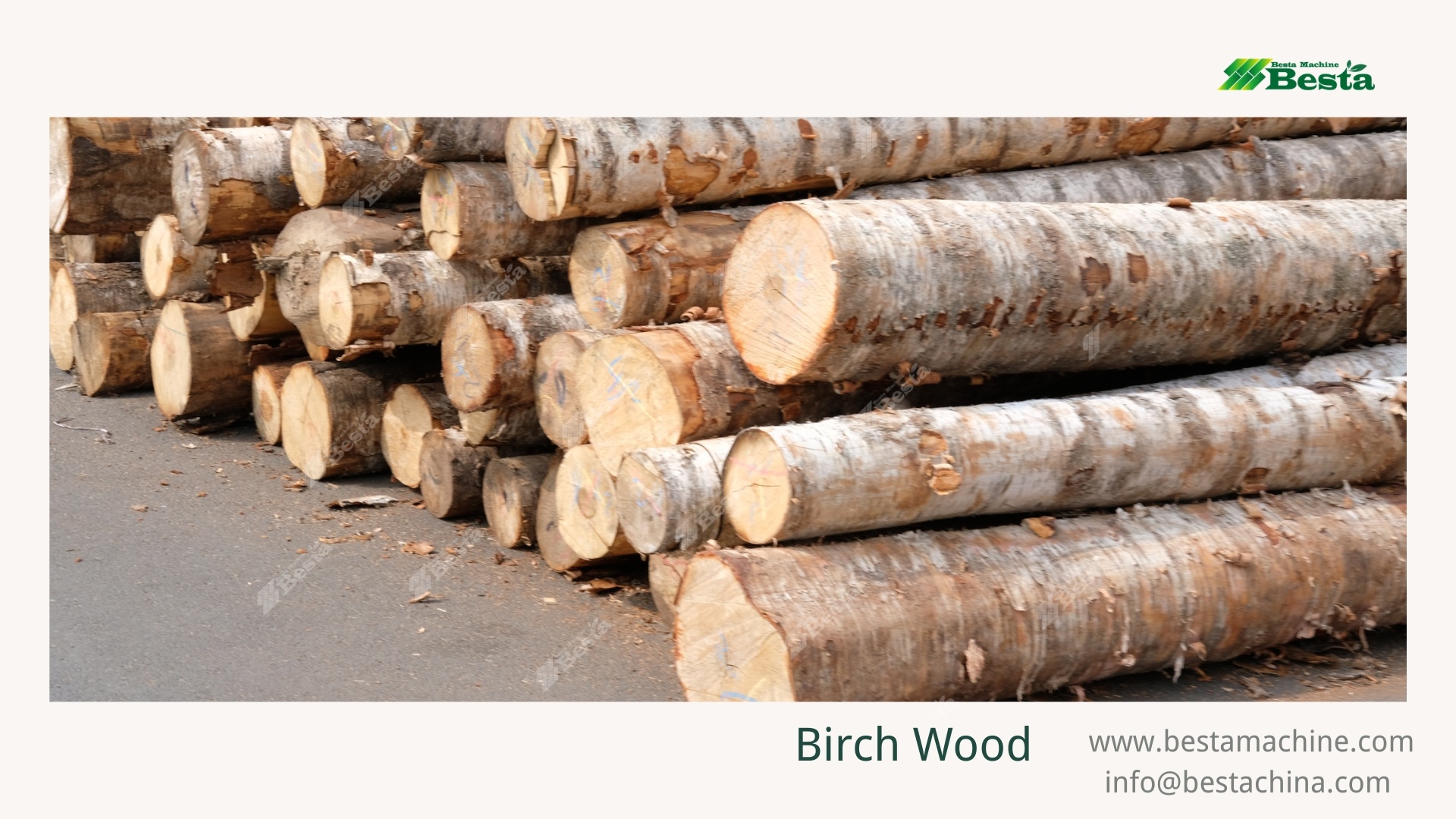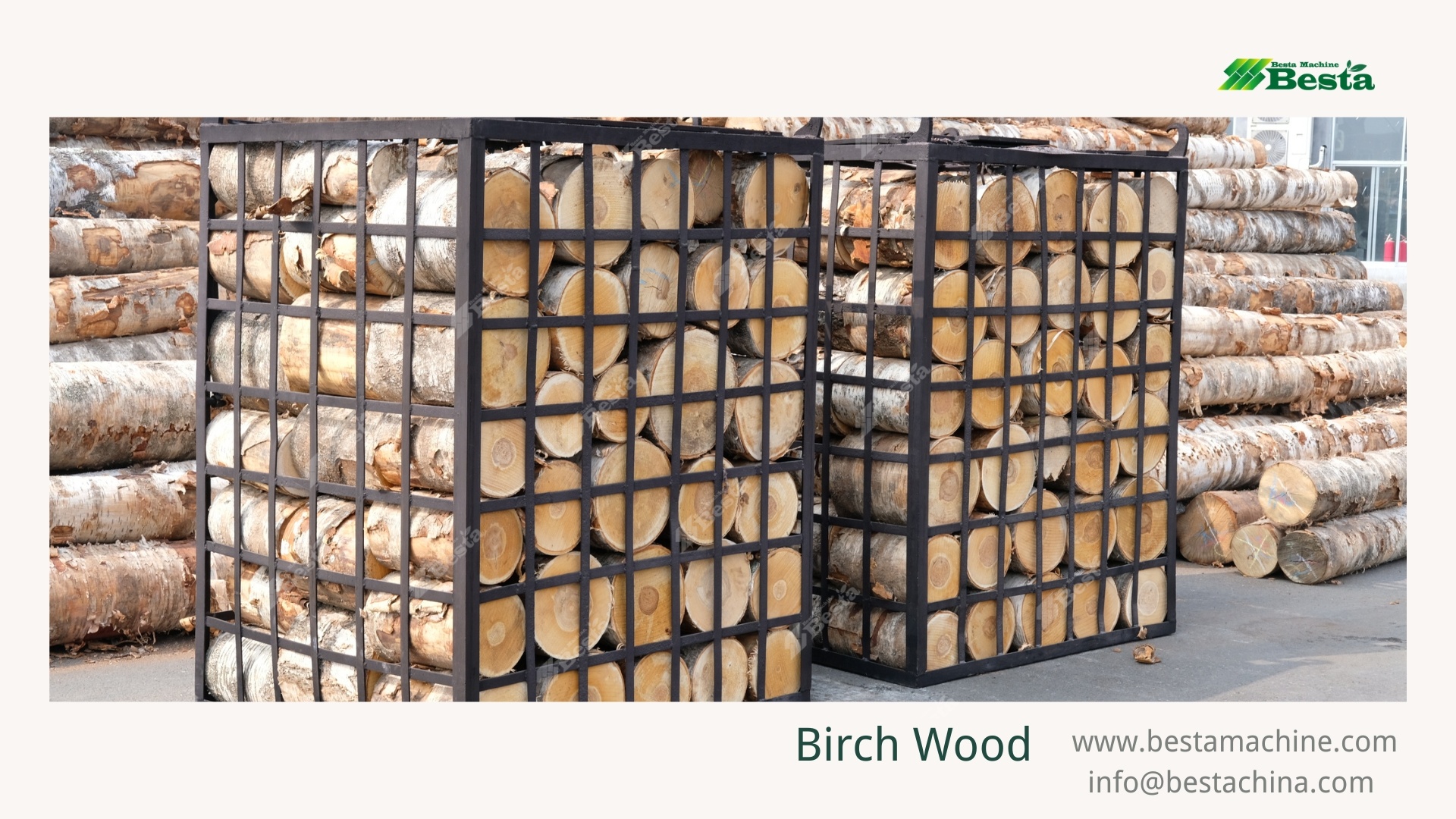
In China, birch is the most widely used and preferred wood for manufacturing ice cream sticks. Some manufacturers also use poplar, but it accounts for only a small proportion of production. Birch remains the first choice.
Key Characteristics of Birch and Its Advantages in Ice Cream Stick Production
Birch is prized for its natural color, fine texture, and good toughness, making it one of the most commonly used woods in China for manufacturing ice cream sticks, ice cream spoons, coffee stirrers, and tongue depressors.
Light and Uniform Color
Birch typically features a creamy white or pale yellow hue with minimal color variation, resulting in ice cream sticks that look clean, natural, and attractive.
Fine Texture and Smooth Surface
Birch has a uniform wood structure and distinct grain. After polishing, the surface is smooth and even, which minimizes splinters and enhances both the quality of the finished product and the user experience.
Good Toughness and Resistance to Breakage
Birch possesses excellent toughness and adequate strength; it is resistant to breakage during die-cutting, chamfering, polishing, and packaging, making it ideal for processing thin wooden products.
Ease of Rotary Cutting and Machining
Once properly softened through steaming, birch can be efficiently rotary-cut into veneers of uniform thickness, facilitating subsequent processes such as die-cutting, drying, polishing, and shaping.
Stable Dimensional Integrity
With proper moisture content control and standardized drying procedures, birch ice cream sticks exhibit excellent dimensional stability, showing little tendency to warp, crack, or deform significantly.
Suitable for Various Disposable Wooden Products
In addition to ice cream sticks, birch is suitable for producing wooden spoons, forks, and knives, as well as ice cream spoons, coffee stirrers, and medical tongue depressors.
It is important to note that the quality of the finished birch product depends not only on the raw material but also on factors such as wood grade, steaming and softening, rotary cutting precision, drying temperature, moisture content control, and the polishing process.